The end of the year, Japanese-style
 In France, the end of the year is often synonymous with reunions, shared meals, and celebrations. We get together with friends or family, toast, count down the seconds before midnight, and then leap into a new year fueled by the energy of the moment.
These moments are precious, but they can also leave one feeling fatigued. As if we were moving forward without a pause, without truly closing the book on what has just passed. The year ends, but something remains hanging.
This is no doubt why many today feel the need to slow down during this period. To meditate, grant oneself some silence, take a moment for oneself. To look back at the past year with honesty, and then welcome New Year's morning with a clearer mind and a deeper sense of renewal.
What if, instead of adding even more things, we started by closing things out?
In Japan, the end of the year is conceived with exactly this in mind. Before celebrating a new beginning, importance is placed on closing out the year that is coming to an end. Not with excitement or noise, but with calm, mindfulness, and simplicity.
The end of the year in Japan is not a noisy period
 Contrary to the festive image often associated with the transition to the new year, the end of the year in Japan is a time for slowing down. The final days of December are dedicated to preparation, order, and reflection. It is not about doing more, but about doing just enough.
Closing a year, in Japanese culture, first means becoming aware of the time that has passed. Accepting what has been, giving thanks, and then letting go. This relationship with time gives the end of the year a special depth, far from any agitation.
The great cleaning: putting order in both space and mind
 One of the most iconic gestures of the Japanese year-end is the great cleaning, or Osoji. At the end of December, homes, workplaces, and even temples are cleaned with care.
This cleaning goes well beyond hygiene. Tidy space also means clarifying one's thoughts. Getting rid of what clutters, of what is no longer useful, allows for space to be made for something new. Each gesture becomes a way to lay the past year to rest, with its successes as well as its difficulties.
When the space is lightened, the mind often is too.
December 31st: a moment to stop
 December 31st, called Omisoka, is not a day geared toward action. It is a moment of pause. We slow down, look at the year that is ending, and become aware of the path traveled.
There is no rush to celebrate. The essential lies elsewhere: recognizing what has been experienced and marking a transition. This day invites a form of gentleness toward oneself, as a gesture of closure before moving into the following year.
New Year's soba: a simple ritual to mark the transition
 On the evening of December 31st, it is traditional to eat soba, called Toshikoshi soba. These long, thin noodles symbolize the passage from one year to the next and the wish for continuity.
This meal is intentionally simple. It is not a feast, but a symbolic gesture. Eating the soba is a way to recognize the end of a cycle and prepare for the next, without excess, with sobriety and mindfulness.
The bells of the night: letting the year go through sound
 At nightfall, temples ring the New Year's bells, known as Joya no kane. The bells are struck 108 times, a number that symbolizes the human attachments and desires from which it is good to detach oneself.
The sound of the bells accompanies the transition to the new year. It requires no particular action, only attentive listening. It is a way of letting the past year go, not through words, but through the silence that follows each sound.
New Year's morning: starting with space
 The morning of January 1st is marked by calm. The streets are silent, the planners still empty. Nothing is rushed. This suspended time offers a rare space to start the year without haste.
Starting this way, with space and clarity, allows one to approach the new year with an available mind. The beginning does not seek to impress, but to settle in gently.
Japanese tea, a discreet presence
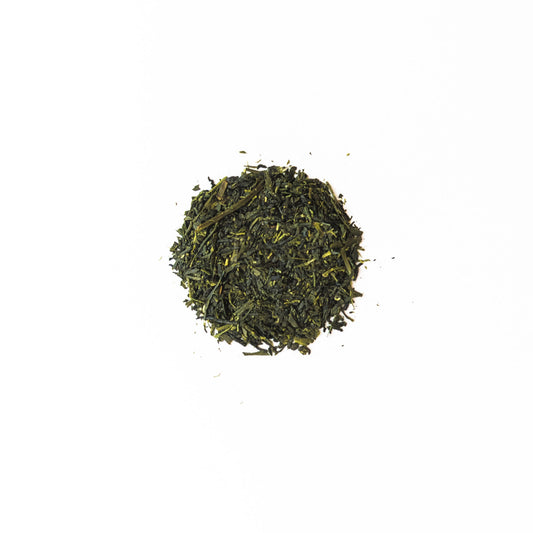
 In these moments of ending and beginning, Japanese tea naturally accompanies daily life. After the great cleaning, to take a break. During the meal on December 31st, to warm up. On New Year's morning, to hold a warm cup between one's hands.
The tea is not the center of attention. It is simply there, like a discreet support. A way to breathe, to slow down, to return to oneself.
Closing the year to start lighter
The end of the year in Japan reminds us that it is sometimes necessary to close before we begin. To slow down before we move forward. To make space, rather than add to it.
In a world that goes fast, choosing to close out the year with simplicity and mindfulness is already a powerful gesture. A breath, a cup of tea, and the new year can then begin, lighter.