Milk Foam Matcha Cloud

light, plant-based, and modern
Keywords: matcha cloud foam / barista oat milk / Japanese latte
This version, inspired by barista techniques, relies on a fine foam created from hot milk.
It is the most "everyday" form of the Matcha Cloud: simple, light, and perfectly balanced.
The foam acts like a cushion of air.
It softens the texture, amplifies the matcha's fragrance, and creates a complete sensory experience.
Nothing too rich, nothing too sweet – just the essence of the tea, enhanced by the smoothness of the milk.
💡 Preparation
- Whisk 2 to 3 g of matcha into 80 ml of hot water (80 °C).
- Heat 150 ml of oat milk or whole milk to 60–65 °C.
- Use a milk frother to obtain a fine, dense foam (15 to 20 seconds).
- Pour the matcha into a clear glass, then gently add the foam on top.
The result? A light, velvety drink with a lingering vegetal fragrance.
The foam dissolves slowly, releasing the matcha aromas with every sip.
☕ Tip: Barista oat milk provides the best stability and also allows you to create a cold cloud for the summer.
This Matcha Cloud is the embodiment of Japanese minimalism: it invites you to breathe, slow down, and savor the moment.
Whipped Cream Matcha Cloud

rich, comforting, and dessert-like
Keywords: matcha cloud whipped cream / matcha latte dessert / sweet matcha
This second version appeals to lovers of creamy textures.
Here, the foam becomes a light cream, almost pastry-like, that spreads slowly over the tea.
Halfway between a latte and a dessert, it is a drink to be enjoyed slowly, spoon by spoon.
💡 Preparation
- Mix 50 ml of heavy cream (30% fat) with 1 teaspoon of maple syrup or sugar.
- Whip until you reach a soft texture – the cream should drop slowly from the spoon.
- Prepare your matcha latte (as above) and pour the cream on top.
- Dust with matcha powder for the finishing touch.
The first sip is soft and sweet; the second reveals the freshness of the tea.
The contrast between the cream and the matcha creates a "sunset" effect in the mouth: dense at first, then light.
💡 Variation: replace the cream with whipped coconut milk for a plant-based version that is lighter and fragrant.
"The whipped cream matcha cloud is a drinkable dessert — and something to contemplate."
Foam or cream: what to choose?
| Cloud Type | Texture | Dominant Taste | Ideal Moment | Recommended Milk |
|---|---|---|---|---|
| Milk Foam | Airy and fine | Matcha-forward | Morning, afternoon | Oat milk, whole milk |
| Whipped Cream | Rich and silky | Indulgent and sweet | Evening, dessert | Heavy cream, coconut milk |
The Matcha Cloud with milk foam reveals the tea's character: vibrant, vegetal, slightly sweet.
The one with whipped cream highlights pleasure and taking your time.
Both tell a different story of the same ingredient.
🍃 At TAMAKI TEA, we believe Japanese tea has more than one voice.
It can be pure, simple, or voluptuous – depending on the moment, depending on you.
Understanding texture: the science of the cloud
The success of a Matcha Cloud depends on the foam's stability.
Milk that is too hot destroys the proteins necessary for bubbles to form.
Milk that is too cold, conversely, does not create a stable texture.
The secret lies between 55 and 65 °C.
At this temperature, the foam keeps its suppleness and adheres delicately to the surface of the tea.
Plant-based milks (especially barista oat) contain modified plant proteins:
they replicate the behavior of classic milk, while adding a natural sweet note.
💡 Barista tip: For a cold cloud, froth the milk at room temperature and pour it over iced matcha.
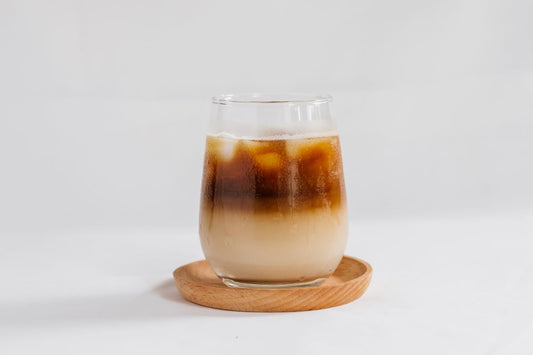
The foam floats, blends slowly, and creates a spectacular visual gradient.
The Matcha Cloud as a way of life
Preparing a Matcha Cloud is a small modern ritual.
It is a way to reclaim the gesture of tea, without the rigidity of a ceremony.
It is also about making room for slowness in our fast-paced days.
Whether foamy or creamy, the Cloud evokes something soft and fleeting – like a moment of serenity.
Pair it with a yuzu cookie, a sesame cake, or enjoy it alone, in the quiet of the morning.
Each sip is a breath.
☁️ The cloud doesn't change the tea. It reveals its most human quality: its capacity to soothe.
 HOJICHA CLOUD
In conclusion: one cloud, two paths
- The foam: lightness, balance, purity
- The cream: sweetness, pleasure, indulgence
Two ways to interpret the same tea, two moods, two moments of life.
The Matcha Cloud is the image of contemporary Japanese tea: faithful to its roots, but free in its form.
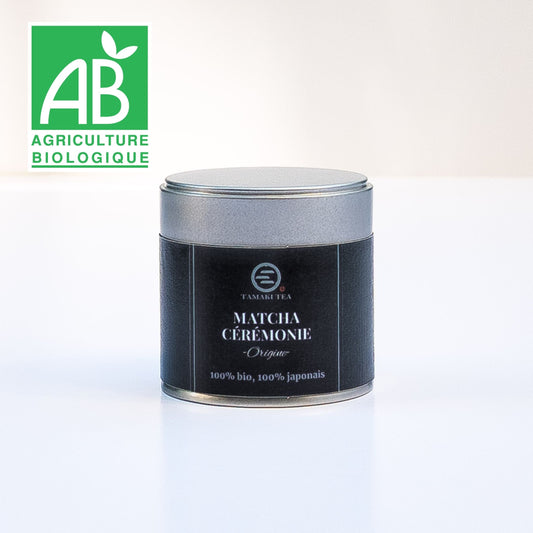
Which matcha to choose for your Cloud?
Not all Matcha Clouds are created equal.
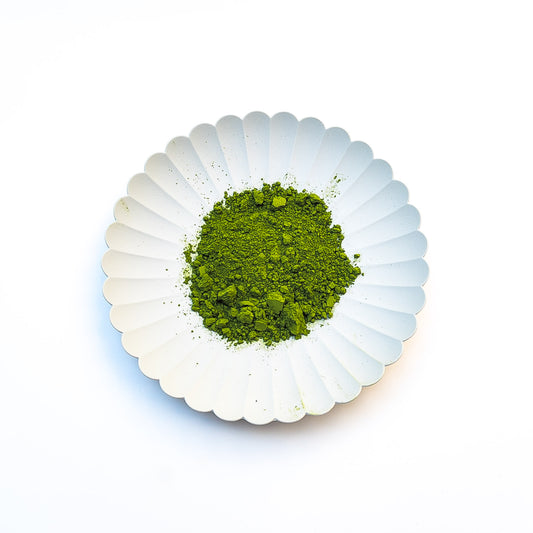
The texture, color, and foam depend directly on the quality of the tea.
For a smooth, vibrant green cloud with no bitterness, we recommend:
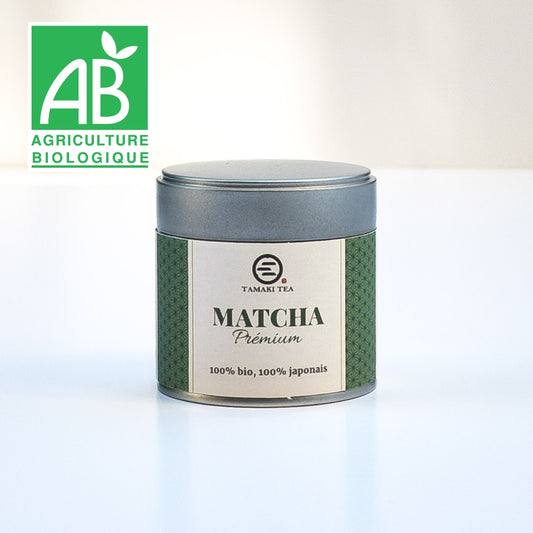
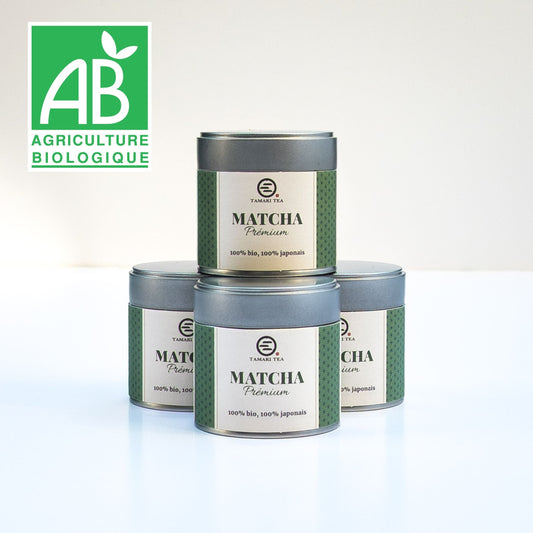
🍃 Premium Matcha – TAMAKI TEA
A balanced matcha, rich in umami, ideal for daily lattes.
Its fine powder dissolves perfectly in hot or cold milk, creating a stable, velvety foam.
➤ Perfect for light and modern Matcha Clouds.
🌰 Hōjicha powder – TAMAKI TEA
A roasted Japanese tea with comforting, toasty notes.
In Cloud form, it pairs wonderfully with almond milk or a touch of cream.
A gentle alternative to coffee, any time of day.
➤ Ideal for a Hōjicha Cloud with a warm, subtle flavor.