A global craze for matcha
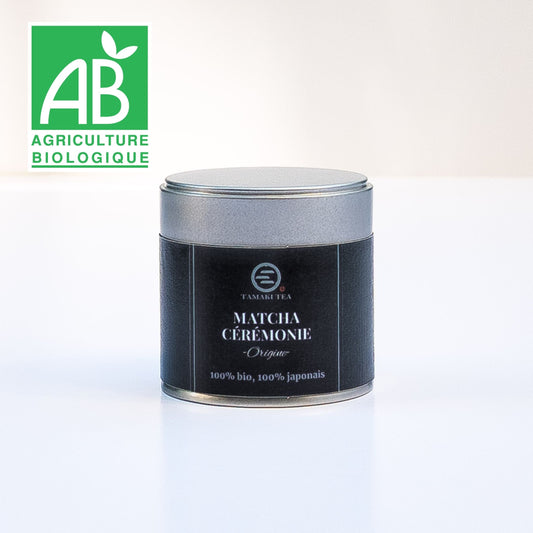
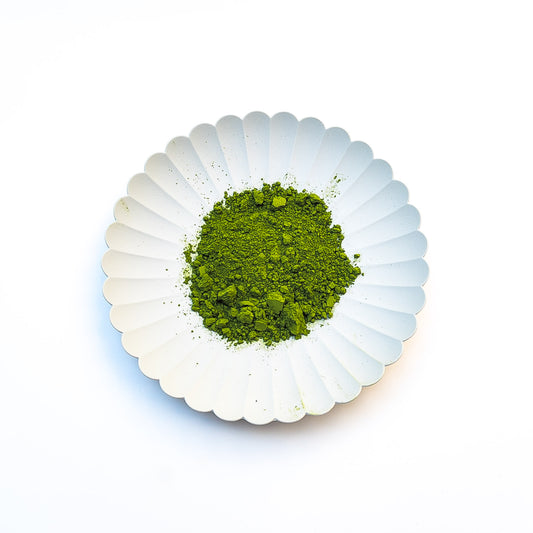
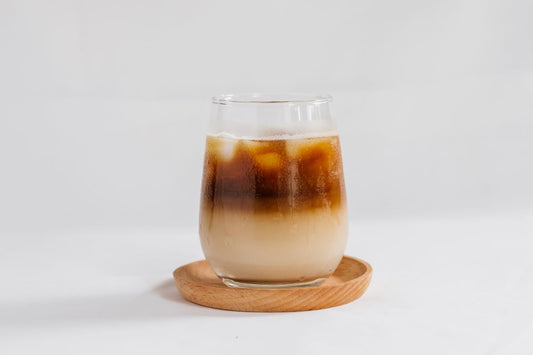
In recent years, matcha has experienced meteoric popularity around the world. From cafés to desserts and healthy drinks, matcha has become a symbol of wellness and trends. This global demand has led to a significant increase in matcha production in Japan, particularly in the Uji region near Kyoto, which is renowned for its tea cultivation.
Japanese producers facing a dilemma

To meet this demand, many Japanese producers are considering converting their tea plantations into crops dedicated to matcha. However, this transition involves risks: matcha production requires significant investment in equipment and labor, with no guarantee of return on investment should demand decline. Furthermore, matcha represents a small fraction of total tea production in Japan, which makes this specialization risky.
Tea consumption in Japan: a preference for sencha

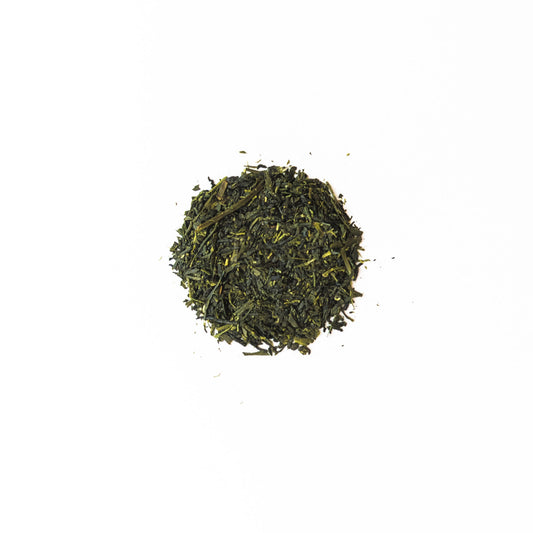
Despite the global craze for matcha, the Japanese continue to prefer sencha, an infused green tea. According to a survey conducted in April 2025, 70.4% of Japanese people consume sencha daily, while only 9.4% consume matcha. This preference highlights the gap between production oriented towards matcha and traditional Japanese consumption habits.
TAMAKI TEA: a brand committed to authentic tea

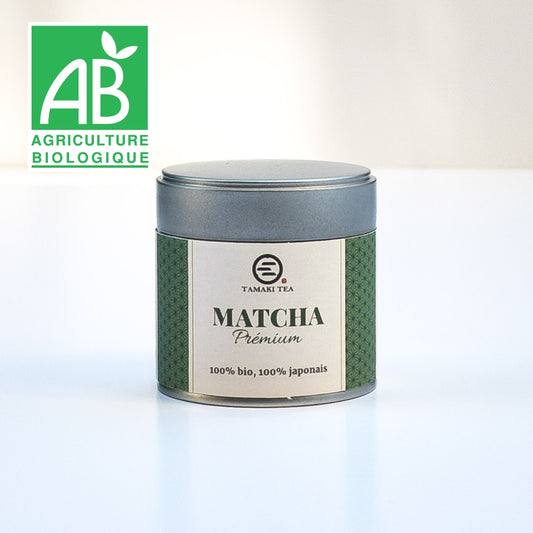
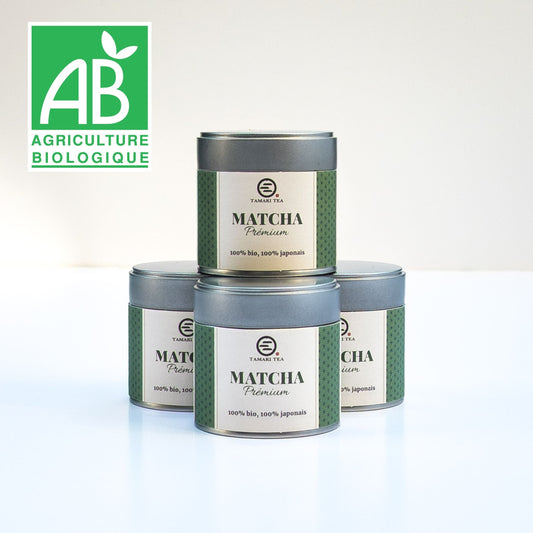
At TAMAKI TEA, we celebrate the richness of Japanese tea culture. Although we offer matcha, our core business remains sencha. We firmly believe that sencha, with its sweetness and subtle nuances, deserves to be recognized and appreciated on a global scale.
Our commitment goes beyond simply selling tea. As a Japanese person living in France, I have been struck by how green tea is perceived here. Supermarkets offer green teas, but often they do not reflect the true essence of Japanese tea. It is essential for us to share this authenticity, especially in a country where the culture of pairing flavors, or "mariage," is deeply rooted.