1. Differences between sencha and matcha

Sencha and matcha are two very popular types of Japanese green tea, but they differ not only in their form (leaves vs. powder) but also in their cultivation and preparation methods.
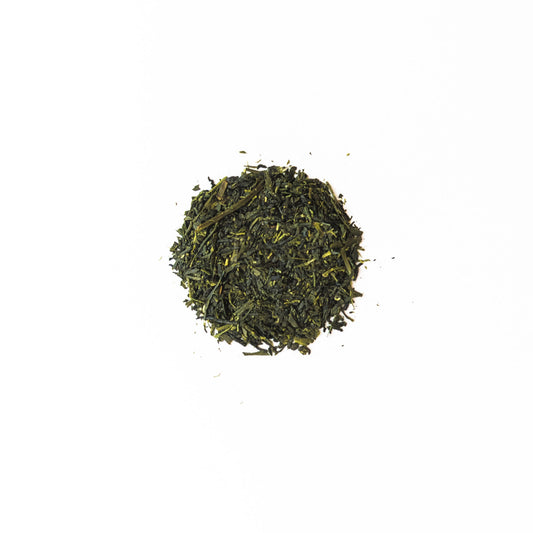
- Sencha: leaf tea, which is steeped. There are several varieties, such as kabusecha, fukamushi sencha, or houjicha, each having a particular flavor profile. Tea enthusiasts may also be familiar with gyokuro, a rarer and more refined variety.
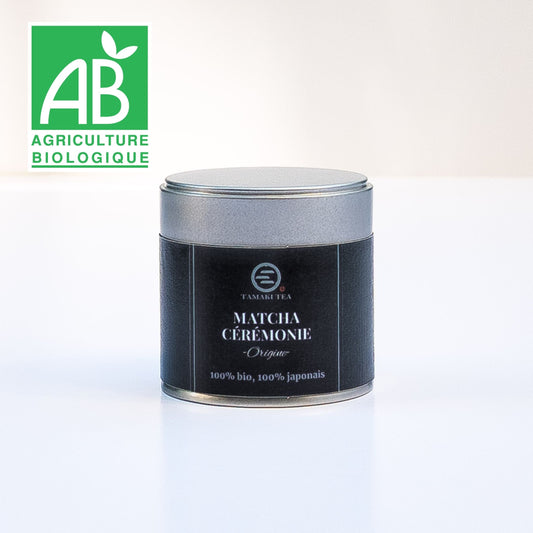
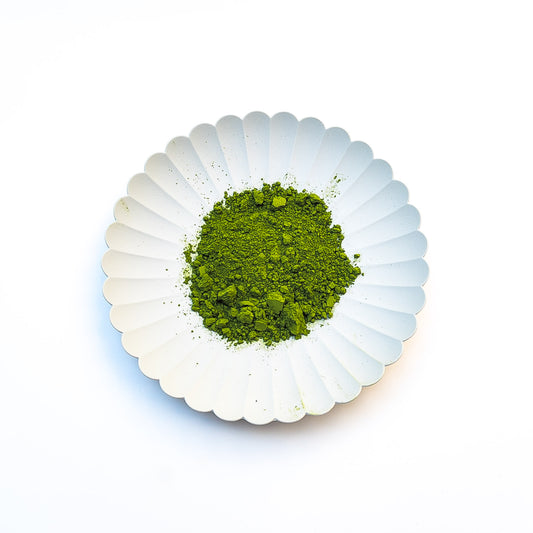
- Matcha: tea ground into a fine powder, traditionally used in the tea ceremony. Its cultivation and processing differ from those of sencha, resulting in a richer, more concentrated taste.
Understanding these differences helps you choose the tea that suits your tastes and expectations.
2. How to choose high-quality Japanese green tea

Even if a product is sold as "Japanese tea," it is not always traditional. Many major brands offer teas flavored with herbs or fruit. While this does not necessarily indicate inferior quality, authentic Japanese green tea already offers a rich flavor, a delicate aroma, and a deep taste without added fragrances.
To select a quality tea:
- Check that the leaves are produced and grown in Japan.
- Avoid teas with artificial flavors to enjoy the natural taste.
- Test the taste: authentic tea has a fragrance and natural sweetness even without additives.
- Consider the type of cultivation and harvest: for example, kabusecha or fukamushi sencha are carefully cultivated to optimize their flavor.
3. Tips for brewing delicious tea

The water temperature and steeping time heavily influence the taste.
- Sencha: generally 70 to 100°C depending on the leaves. A gentler steeping can reduce bitterness. Time: about 1 minute.
- Matcha: about 80°C, whisked in powder form.
The quality of the water also plays a role. Using soft water from the supermarket helps reveal the full subtlety of the tea's taste.
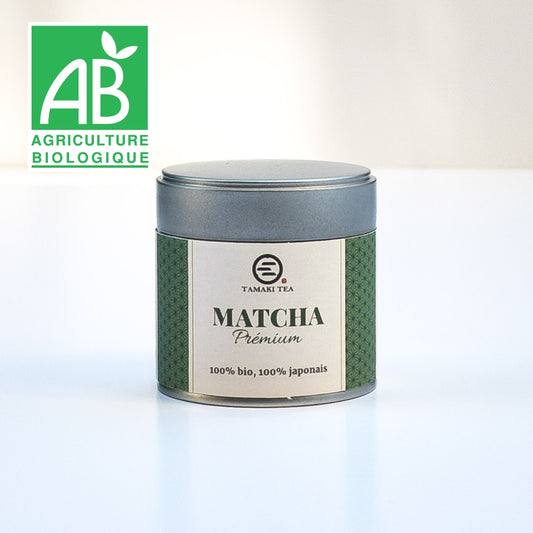
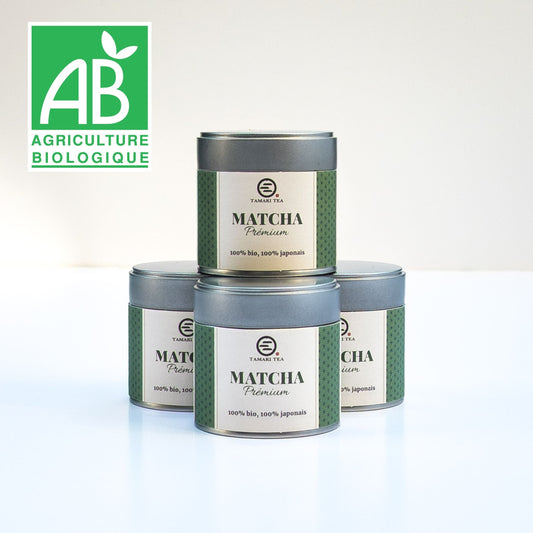
4. TAMAKI TEA teas

- All our teas are produced in Japan and traditionally cultivated.
- We primarily select organic products.
- We favor teas with strong umami, sweetness, and aroma.
The founder tasted dozens of leaves to select those that appeal not only to the Japanese but also to the French, as we know that the French palate can perceive bitterness more intensely.
For beginners, we recommend our Small Gift Set, which allows for a progressive discovery of several teas.
The beauty of green tea may require multiple tastings. Even if the initial taste seems too vegetal, over time, one discovers its depth and it becomes a natural way to relax and enjoy every moment.