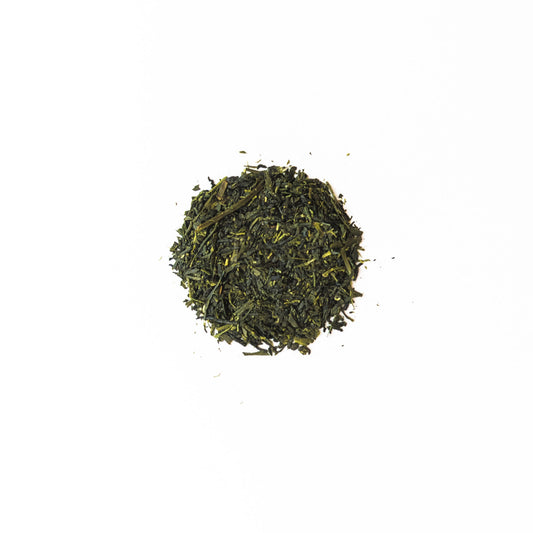
In France, “green tea” has become a familiar staple.
In supermarkets, one finds numerous bags bearing this label—often chosen for their health benefits or their image of purity.
But did you know that Japanese green tea is something else entirely?
Most green teas sold in Europe come from China, Sri Lanka, or India.
They are generally roasted in a wok (a method known as “Chinese-style”),
which gives them a toasted and slightly smoky note.
In Japan, on the other hand, the leaves are steamed right after harvesting to naturally stop fermentation.
This unique method preserves the freshness, the vegetal sweetness, and the famous depth of taste called umami.
Thus, Japanese tea is not just a drink:
it is an expression of nature, craftsmanship, and time—a true culture of refinement.
Let’s discover together the main types of Japanese tea and their characteristics. 🍵
Sencha – The classic balance of Japanese tea

Sencha is the most consumed tea in Japan.
The leaves are quickly steamed, then rolled and dried.
It offers a fresh and slightly astringent flavor, with a green and pure aroma.
Infused at 70–80°C, it reveals a soft roundness and a beautiful length on the palate.
Depending on the duration of steaming, we distinguish:
- Asamushi (short steam): clear and lively taste
- Fukamushi (long steam): velvety texture, deeper green color, and intense umami
Gyokuro – The elegance of shade

Gyokuro is one of Japan's most refined teas.
The tea bushes are grown in the shade for about three weeks before harvest.
This process prevents the formation of tannins (responsible for bitterness)
and concentrates amino acids, particularly theanine, the source of sweetness and umami.

Result: a dense, almost sweet liquor with a deep aroma called “kôïka” (shade aroma).
Infused slowly at a low temperature (50–60°C), it is a moment of pure serenity.
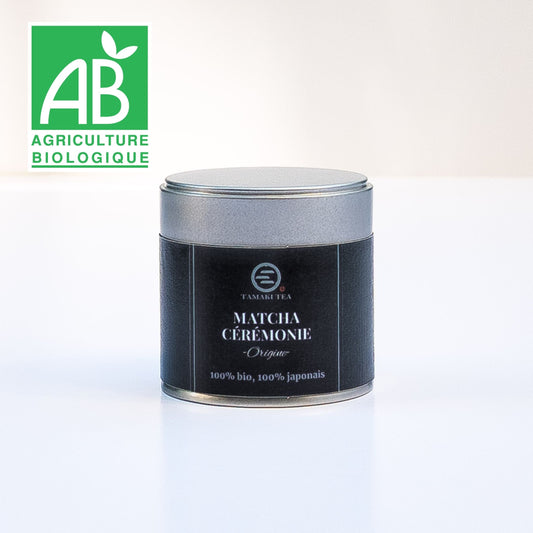
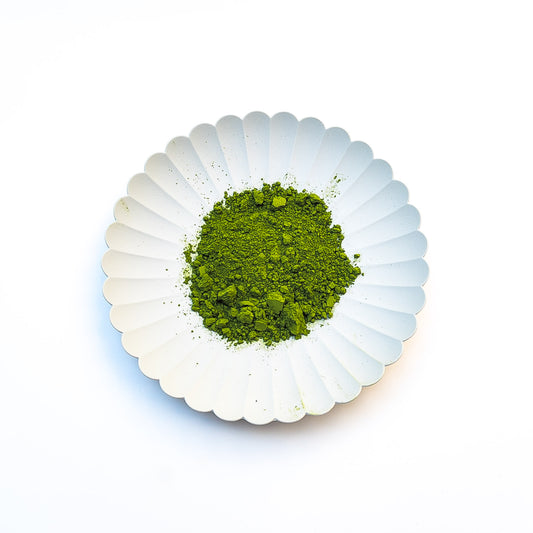
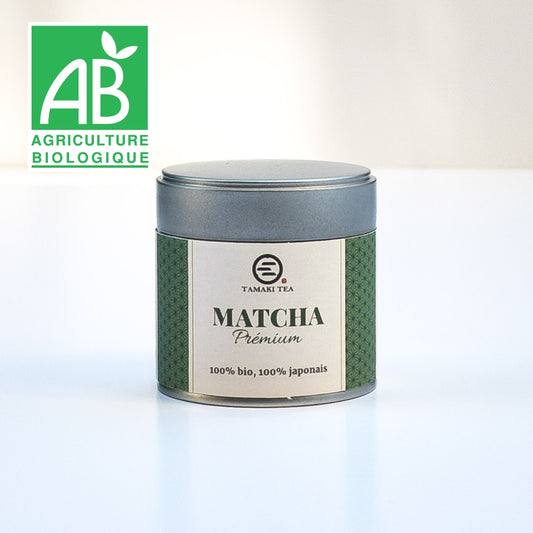
Matcha – Powdered tea, symbol of Japan

Derived from shaded leaves like gyokuro, matcha is obtained
by stone-grinding dried leaves (tencha) into a fine powder.
By whisking it into hot water, you get a smooth and vibrant drink,
rich in umami and antioxidants.
Once reserved for the tea ceremony,
matcha is now enjoyed in lattes, desserts, and contemporary cuisine.
Its round taste and emerald color make it an experience in its own right.
Kabusecha – Between sencha and gyokuro

Kabusecha is grown in the shade for 1 to 2 weeks,
then processed like a sencha.
This short period of shading reduces bitterness and amplifies sweetness.
It combines the aromatic richness of gyokuro and the freshness of sencha.
It is a tea of great harmony, appreciated for its balance and finesse.
Hojicha – The aroma of comfort

Hojicha is obtained by roasting sencha or bancha leaves at a high temperature.
This roasting develops a toasted, warm, and enveloping aroma, while reducing caffeine.
Result: a mild, light cup, perfectly suited for the evening or after a meal.
It is a soothing tea, enjoyed both hot and cold.
Genmaicha – The everyday tea

Genmaicha combines sencha (or bancha) with toasted brown rice.
This marriage creates a delicious and slightly sweet drink,
with low caffeine content.
Its round taste and cereal aroma make it an ideal companion for everyday life.
It is also one of the most popular Japanese teas abroad,
thanks to its accessible and comforting profile.
Why are all these teas called “green teas”?
Although they vary enormously in taste and color,
all these teas come from the same shrub (Camellia sinensis).
The difference lies in the degree of oxidation:
Japanese teas are unfermented, which allows the green hue and natural freshness of the leaves to be preserved.
Depending on whether they are steamed, shaded, or roasted,
we obtain an infinite palette of flavors—from the most vegetal to the sweetest, from the most toasted to the most floral.
Japanese tea, an experience of calm and harmony

Drinking Japanese tea means giving yourself a moment of respite.
In the morning, a sencha to start the day.
At lunch, a genmaicha to accompany the meal.
In the evening, a hojicha to soothe the mind.
Each tea has its personality, its moment, its light.
And perhaps that is the beauty of Japanese tea:
an apparent simplicity that hides infinite richness.
TAMAKI TEA – The art of Japanese tea in France

At TAMAKI TEA, we select teas from small plantations in Shizuoka and Kagoshima,
where every harvest is guided by tradition and respect for nature.
Discover our collection of organic Japanese teas and let yourself be carried away
by the serenity of a cup of authenticity.
Also discover our guide to choosing matcha and our article on the benefits of green tea to learn everything about the art of Japanese tea.